
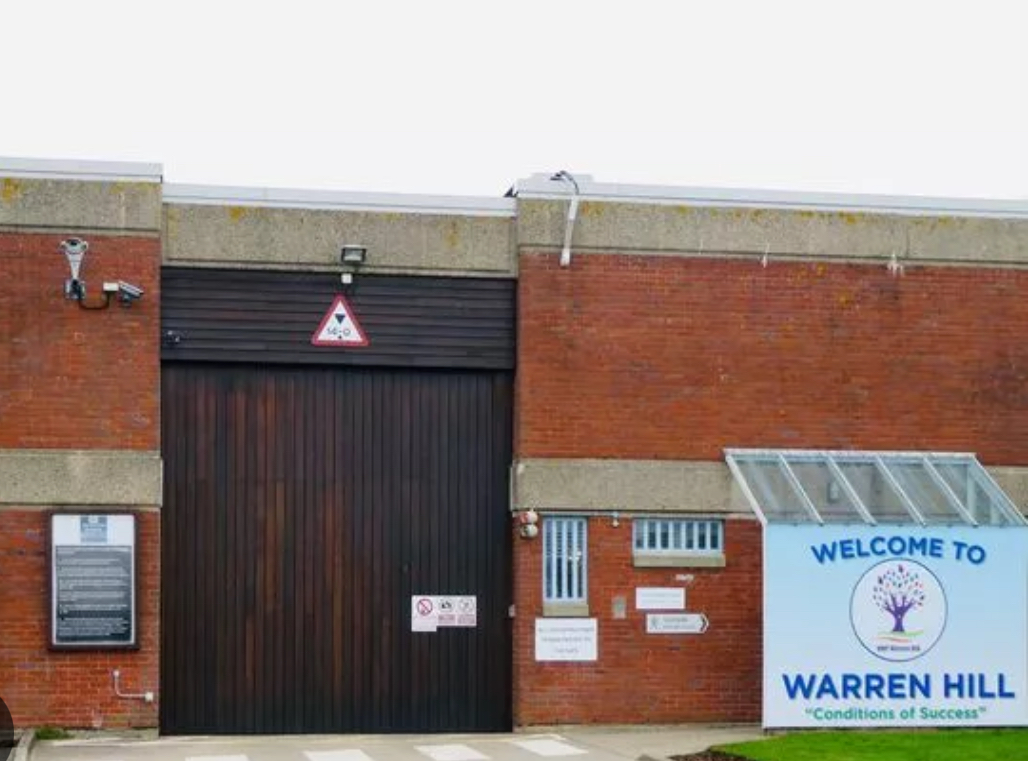
ON 2nd June 2025, I was invited to be a guest speaker on the panel of the 2nd Neurodiversity Conference at HMP Warren Hill, a familiar venue. With an audience of inmates, staff and professionals 100 hundred strong, it was clearly a very important and necessary event.
Neurodiversity is of a high percentage in the prison population – I believe over a third of the prisoners are diagnosed and there may well be those who are undiagnosed. When you examine traits of impulsivity, lack of social awareness or difficulty with ‘ordinary’ communication, feelings of intense insecurity and anxiety, sensitivity to the environment, general health issues, sensory procession conditions, mis-interpretation of intention, vulnerability to exploitation and more you will see that these traits are common to neurodiverse conditions, such as autism, ADHD, dyslexia, anxiety, OCD, dyscalculia, to name but a few. Then you begin to understand why the statistic is so high, and how ND traits can lead people on the path towards prison.
Imagine you suffered from an acute awareness and dislike of being touched or shouted at, when a policemen appears on the scene. You are accused of shoplifting. You are afraid of anyone in authority, as you have had a bad experience at school- you had been written off as stupid or badly behaved, because you couldn’t sit still in class and you struggled to read. Your attention wandered and you failed to finish assignments, appearing not to listen to instructions. So you kick off a bit, fearing humiliation and frightened of what might happen to you. Your meltdown leads to the policeman shouting at you to clam down, which leads to an escalation of the meltdown: you can’t really process what he says to you. He then grabs you to try to calm you down. But you lash out. Before you know it, you are being arrested for violence and hitting a policeman. It is immaterial now whether you shoplifted or not – you are on your way to police custody. This might be how it all begins.
I met Sarah Templeton, who runs a team of ADHD counsellors and additional services. She has worked with prisoners for a number of years, and is neurodiverse herself. She explained the difficulties of prison life for a neurodivergent person – sensory issues, smells, sounds, communication – many things which present challenges. Sarah, like me, is a believer that you were never born with or redevelop the ‘wrong personality’ and that the words ‘personality disorder should be banned.’ She spoke frankly about her charitable and professional work helping to get others the help they need to become the person they want to be. A ‘better’ person for want of a ‘better word.’ She also was able to introduce A speaker named David, who shared his experience post-diagnosis and post-prison system. Finally his life made sense and he could move forward.
My experience of Warren Hill is that it has a very good Neurodiversity department and offers good services. the whole conference was about how the senses can affect people and sharing what can be incorporated into good practice. There were speakers from a secure hospital unit, Pentonville Prison, Sarah from Headstuff, ADHD Therapy, staff from Hollesley Bay, the head of the Neurodiversity department at Warren Hill and and professionals with lived experience. The prisoner governor, officers and other staff plus many prisoners were also present. I delivered poetry and an excerpt from an article, talking about lived and professional experience. We then had a panel q and A, lunch, and in the afternoon looked at some themed artwork by prisoners and chatted with them before we all left buzzing about the day.
It was an opportunity to make some great connections too and I felt the the whole day was really worthwhile. I hope to be able to work with some of the other people I met.
Thank you for having me!
 Virginia Betts